Welcome to Men's Health Arena Nigeria
The No. 1 Men's Wellness and Vitality Blog in West Africa
Practical Health Truth. For the Nigerian Man. By the Nigerian Man.
Retired Cardiologist's Assistant Reveals a Simple 8-Week Home System That Helps Nigerian Men With High Blood Pressure Bring Their Readings Down Naturally Without Giving Up Their Food, Their Work, or Their Culture
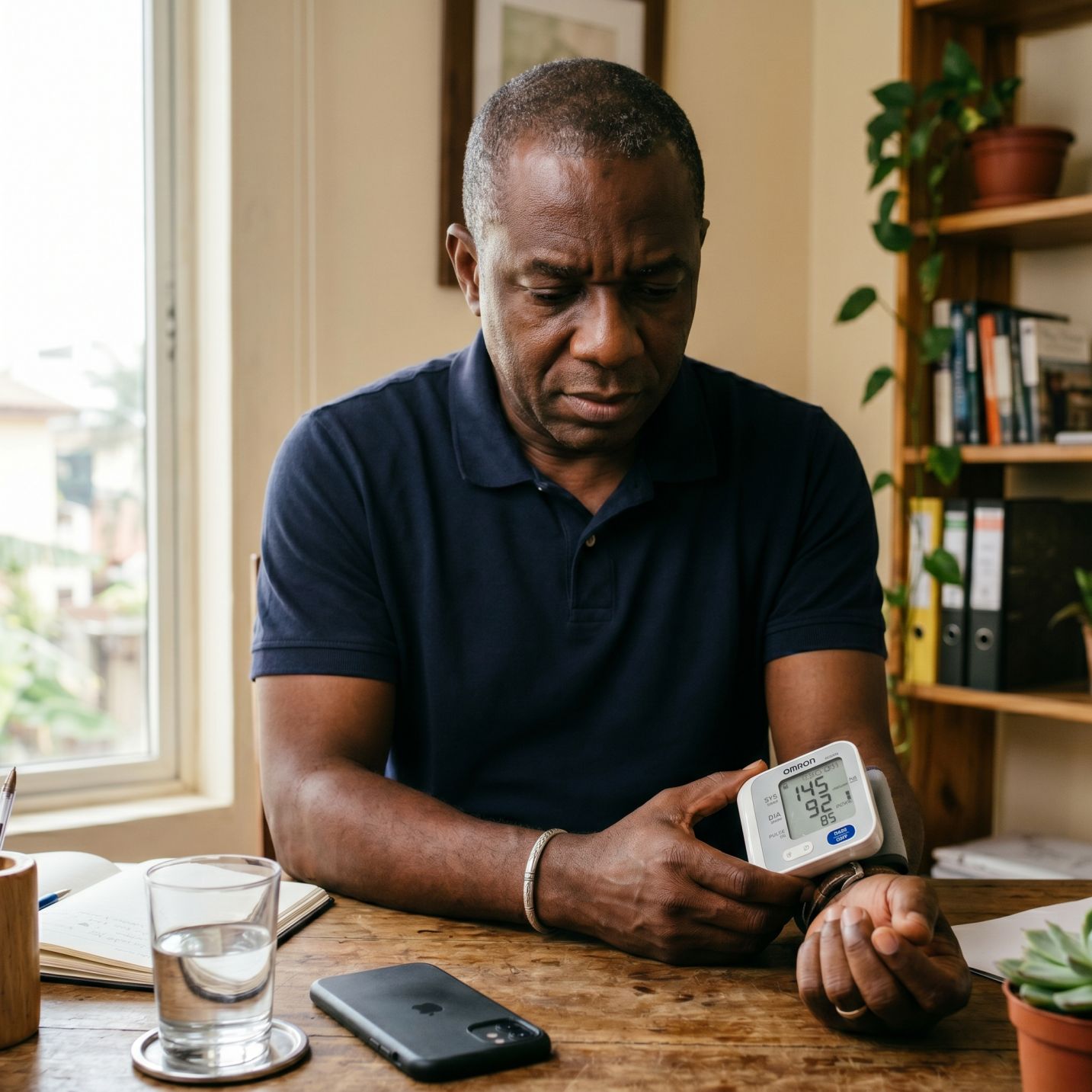
You already know your readings are not where they should be.
Your doctor has told you. Maybe more than once. You have sat in that chair, listened to the numbers, nodded, and said you would be more careful.
And then you went back to your life. Because what else is there to do? The work is not going to stop. The family does not stop needing things. The stress does not pack its bag and leave because your doctor said so.
I will reduce salt. I will exercise more. I will manage my stress.
You have told yourself that. Many times.
But the reading is still there. 148 over 95. 156 over 99. Sometimes worse. And on the mornings when it comes back higher than you expected, there is a feeling that settles in your chest. Not pain. Something else. Something quieter. Something you have never found the right words for.
You reach for your medication. Or you skip it because you felt fine yesterday. Or you take it and wonder why it is not doing more.
How can I be taking this tablet every day and still be here?
You do not say that out loud. You are not the kind of man who says things like that out loud.
You have tried things. Salt. Alcohol. The morning walks. The supplements from that pharmacy on Victoria Island. You have Googled symptoms at midnight and scared yourself badly enough that you closed the tab and did not go back for three weeks. And still nothing has changed in a way that stays.
There is also the other thing. The thing that lives underneath everything else.
Your father. The chair he was sitting in. The way things happened so quickly that day. He was 59. You know exactly how old he was because you were 31, and in the twenty years since then, some part of you has been counting down without wanting to admit it.
I am 52. I am starting to wonder if I am running out of time to fix this.
And the person who is most worried about you does not even know the full picture. Because you have not told her. Because if you say it out loud then it becomes more real, and you are the backbone of this family, and backbones are not supposed to be frightened.
Drop everything you are doing now and listen to every word I am about to say.
Because I am about to share with you a simple 8-week system that changed everything for me.
This Method Has Been Quietly Helping Nigerian Men For Decades. Most Men Just Did Not Know Where To Find It.
In Yoruba tradition, the elders who managed blood pressure in the community were not called doctors. They were called wise men. They watched what people ate, how they slept, how they worked and worried. And they knew things that no hospital has ever put on a prescription pad.
The knowledge was always there. It was passed down through families, shared quietly between men who trusted each other, refined over decades of observation. Not in a textbook. Not on a poster in a hospital waiting room. In conversations. In kitchens. At gatherings.
This is how I found it.
My name is Biodun Adeyemi. I am 52 years old. I run a logistics business in Lagos. I have a wife, three children, and more family members who depend on me than I care to count on any given week.
First thing you should know about me: I am not a doctor. I am not a nutritionist. I am not a wellness influencer. I am just a Nigerian man who spent three years with dangerously high blood pressure, tried everything the system told me to try, got nowhere, and then found something that actually worked. I am sharing it because I get more messages asking me to than I can answer individually.

The Day My Blood Pressure Became Something I Could No Longer Ignore
It started at a routine company medical check in 2021.
The nurse took my reading. Then she took it again. Then she called the doctor over without saying anything directly to me. The doctor looked at the numbers and said, "Mr. Adeyemi, this is concerning. We need to talk about your blood pressure."
148 over 96. Stage 2 hypertension.
He put me on medication that afternoon. Amlodipine, 5mg. He said to reduce salt, do some light exercise, manage my stress, come back in three months. He shook my hand and that was it. Fifteen minutes total. Twenty-one years of quietly watching my health decline, and I got fifteen minutes and a prescription.
The Things I Did Not Tell Ronke
I did not tell my wife Ronke the full picture. She knew I was on blood pressure medication. She did not know the readings. She did not know what the doctor said about my risk profile. She did not know what I had been Googling at 1am when I could not sleep.
Because if I told her, she would worry in the way Nigerian wives worry, which is loudly and constantly and with a level of care that would make everything feel more serious than I wanted it to feel. And also because there was a part of me that believed I would fix it quietly and she would never need to know how bad it had been.
I bought a blood pressure monitor. An Omron, from a pharmacy in Lekki. I checked it every morning before she woke up. Some days the numbers were lower and I felt a cautious relief. Other days they were higher and I would sit on the edge of the bed with the monitor in my lap and try to remember if my father had looked different in the weeks before that evening in the chair.
I am 52 now. He was 59. Seven years. I have seven years to not become my father's ending.
Everything I Tried That Did Not Work
I took the medication. Some days.
On the days I felt fine, I convinced myself I did not need it. That is the dangerous logic of hypertension. It does not hurt when it is killing you. It feels like nothing until it feels like everything at once. So on the good days I skipped the tablet and on the bad days I took two and wondered if that was safe.
I removed the salt shaker from the dining table. Completely. Looked around the internet for advice, decided salt was the main enemy, and banned it from the table. Three weeks later my readings had not moved. Not even a point. It would take me another year to understand why. The salt was already inside the food. The stock cubes. The crayfish. The iru. The Knorr and the Maggi dissolved into every pot before the food even reached my plate. The salt shaker was irrelevant. It was theatre, not medicine.
During Lent in 2022 I stopped drinking alcohol completely for four weeks. I had read somewhere that alcohol raises blood pressure. This is true. My readings improved by about two points. I thought I had found the answer. Then Easter came, I resumed, and the two points returned within a week. So I concluded that alcohol was not the main problem and went back to my usual one or two drinks on weekends. I later learned I had the right intervention and the wrong interpretation. Alcohol was one of several drivers, not the only one. Removing one while the other three continued operating produced marginal results that could not sustain themselves.
I started walking around the estate four mornings a week at 6am. Day one, day two, day three. Day four I skipped because a supplier called about a lorry issue at Apapa at 5:30am. I never resumed a consistent schedule. Business has a way of eating mornings before health gets a chance at them. And I told myself that exercise was not really the problem anyway. My grandfather never exercised a day in his life and he lived to 84. That is the logic you use when you want to stop doing something that feels like sacrifice.
I bought omega-3 capsules and garlic supplements from the pharmacy near my office on Victoria Island. Two different brands. I took them for six weeks. Every morning. Then one morning I forgot, then I forgot the next, and by week eight the bottles were at the back of the cabinet. When I checked my readings at the end of that period, I could not honestly say whether they had moved at all.
The Wedding in Ibadan. The Old Man Who Said The Wrong Thing At The Right Moment.
In March 2024, my cousin Lanre got married in Ibadan. A full traditional wedding at his family compound in Bodija. I drove up on Saturday morning with Ronke and the children.
That morning, before we left Lagos, I checked my reading. 162 over 104.
That was the highest it had been in months. I put the monitor down, washed my face, and did not tell Ronke. I took my tablet, got dressed, and drove to Ibadan in a silence she probably attributed to traffic and I attributed to the number sitting in my chest like a stone.
At the reception we were seated at a round table with various relatives and family friends I barely knew. Next to me was an elderly man who had been introduced as a family friend from Ogbomoso. Lean. Quiet. The kind of person who does not fill silences with unnecessary words.
I was not present at that reception in any real sense. I was eating but not tasting. Participating in conversations without being in them. Somewhere between the second course arriving and the ushers beginning to circulate with drinks, the old man leaned slightly toward me and said, quietly enough that only I could hear him:
"You are carrying something. Is it your pressure?"
I looked at him. I did not know what to say. Nobody in that room knew. I had not told anyone. And yet this man, who I had met forty-five minutes earlier, had looked at me across a table of jollof rice and conversation and read me exactly.
I said yes.
He nodded slowly, as though that was the only answer he had been expecting. And then he began to talk.
What Papa Adegoke Told Me That Night
His name was Papa Adegoke. He told me he spent forty years working at a teaching hospital in Oyo State as a cardiologist's assistant. During that same period, he had been quietly studying traditional Yoruba approaches to blood pressure management. Not the mystical kind. The nutritional and physiological kind. The knowledge that elderly women in rural Oyo and Osun had been using practically for generations, now running alongside the clinical patterns he was observing in the hospital wards.
"The medication is not wrong," he said. "But it addresses the symptom. What is driving the symptom in a Nigerian man? Four things. And your doctor has told you about none of them by name."
He told me about the hidden sodium. Not the shaker. Not the visible salt. The sodium load carried by stock cubes, fermented locust beans, crayfish, and processed seasonings that form the invisible sodium backbone of Nigerian cooking. Most Nigerian men who remove the salt shaker continue consuming ten times that amount in the food itself, he said. The shaker is theatre. The pot is the problem.
He told me about cortisol. Specifically the pattern that most Nigerian business owners and senior professionals develop without realising it. Late eating. Poor sleep. Sustained work stress. These three things combine to keep cortisol elevated around the clock. And cortisol holds blood vessels in a constant state of low-level tension. Medication reduces the symptom of that tension. But the cortisol continues producing it every hour of every day. You are medicating the result while the cause runs underneath uninterrupted.
He told me about the potassium gap. There are specific Nigerian foods, locally available, inexpensive, that counterbalance sodium at the cellular level. They work through the sodium-potassium pump, a mechanism most Nigerian men have never heard named. Many of these foods were part of our grandparents' regular diet. As Nigerian men gained income and status, their diets shifted toward higher-protein, higher-processed foods and away from the traditional foods that were quietly doing protective work. The potassium gap is not a new problem. It is a prosperity problem.
And he told me about the magnesium deficit. Years of alcohol, refined carbohydrates, and chronic stress deplete the mineral most responsible for blood vessel relaxation. Without adequate magnesium, vessels cannot relax fully between heartbeats. Readings stay elevated not because of what you are eating directly, but because of what that eating pattern has depleted over years.
"Remove one ingredient from your cooking this week," he said. He named it specifically. I will tell you what it is inside the guide. "In five to seven days, check your reading. Then we will talk about what comes next."
We talked through the rest of the reception. Through the clearing of the tables. Into the car park as the crowd thinned and the evening cooled. He gave me his number and walked to his nephew's car.
I sat in my car for twenty minutes after he left. I typed everything he had told me into my phone. Both hands. Fast. The way you type when you are afraid you will forget the only thing that might actually help you.
I Didn't Believe It. It Was Too Simple.
I drove back to Lagos the next day and did what Papa Adegoke said. I removed the one ingredient from the kitchen. I told Ronke I was trying something and she nodded without asking too many questions, which is a kind of grace I did not deserve given how little I had told her.
Day one. No change. Day two. No change. I checked the reading on day three and it was one point lower. Which could have been nothing. The body fluctuates. I told myself to wait.
Day six. I picked up the Omron, pressed the button, and sat very still for thirty seconds the way you do when you are not sure you want to see the answer.
The reading came up.
140 over 91.
I took it again. 139 over 90.
That was eight points lower than it had been in months. From a single change. One ingredient, removed. Nothing else different.
I called Papa Adegoke. He said: "Good. Now we move to the second week."
Week 3. The Number I Had Not Seen in Two Years.
By the end of Week 3, I had made four changes total. One per week, following Papa Adegoke's sequence exactly. None of them dramatic. None of them required me to stop working, stop eating Nigerian food, or overhaul my life in a way that would have been unsustainable.
On a Tuesday morning at the end of Week 3, I sat on the edge of the bed with the Omron on my wrist.
127 over 83.
I looked at that number for a long time. Below 130 systolic. For the first time in over two years.
I took a screenshot. I sent it to my brother in Abuja who also has pressure issues. He called me twenty minutes later. "Biodun, what did you do? Is this real?"
The Moment Ronke Found Out
At the end of Week 4, I had left the monitor on the bedside table. Ronke picked it up while I was in the shower. When I came back into the room she was holding it and looking at the reading from that morning.
She looked at me. Then back at the monitor. Then at me again.
"Biodun, when did this happen? Is this your reading?"
I nodded.
She put the monitor down. Did not say anything for a moment. Then:
"I have been praying for this for three years. And you did not even tell me how bad it was."
She has not let me skip my morning routine since that day. Not once. I do not think she is going to.
By Week 8, My Doctor Wanted to Review My Medication
I went back to my doctor at the end of Week 8 with my full 8-week reading log. He looked at the numbers. He looked at the trend. He looked up at me and said: "What have you changed?"
I told him I had made some adjustments to my diet and added a short morning routine.
He looked at the log again. He said the improvement was significant enough to discuss reducing my medication dosage at our next appointment.
I have not had a headache that scared me in six weeks. I sleep through the night now. The 3am waking stopped in Week 5 and has not come back. My wife says I seem lighter. She is right. The weight I was carrying was a specific kind. The kind that comes from knowing something is wrong and not knowing how to fix it.
Three Other Men at That Wedding Who Followed the Same Protocol
There were two other men at Lanre's wedding who were also speaking with Papa Adegoke that evening. His nephew Adewale, 56, from Ibadan. And a man called Emeka, a friend of the family from Onitsha who had driven in for the event.
I spoke with Adewale three weeks after the wedding. He had started the same protocol on his own. His Day 6 reading had dropped from 158 over 101 to 147 over 94. "It is not where I want it yet, but it is moving," he said. "For the first time in a long time something is actually moving."
Emeka called me a month later. He had followed the protocol and reached out to Papa Adegoke directly for the additional weeks. By Week 6 his doctor had told him his readings were the best they had been since his diagnosis. He was shouting on the phone. "Biodun! I told you that old man is something else!"
I also shared the core method with my driver, Tunde, 47, who had been quietly managing high blood pressure for years without telling me. He started Week 1 two months ago. He came to me last week and said, "Oga, you know what this morning reading was? 128 over 82. First time in five years."
So Why Am I Sharing This Here?
After the wedding, I started getting calls and messages. Word travels fast in extended Nigerian family networks. Adewale mentioned what was happening to his cousins. Emeka mentioned it to his business partner. My brother in Abuja told two of his friends.
Within three months I had more than twenty men asking me to walk them through the same protocol. Men with busy schedules, different cities, different diets, different levels of medication. I could not walk each one through it individually. The calls alone were taking hours I did not have.
So I went back to Papa Adegoke. We spent forty hours in total, across eight sessions at his house in Ogbomoso. I recorded every session. I cross-referenced everything he told me against the clinical and nutritional research I could find. I tested the core protocol with a small group of twelve Nigerian men across Lagos, Ibadan, and Abuja, tracking their morning and evening readings across eight weeks.
I put everything inside one guide. The full 8-week protocol. The diagnostic audit. The hidden sodium map. The shopping list of the eight best locally available foods. The morning routine. The tracking system. The medication alignment guide. Every piece of it.
I paid a professional to design it properly because I wanted it to look like something worth reading, not like a WhatsApp forward.
The total cost of creating it was over three hundred and forty thousand naira. That is a real number. I am only mentioning it because I want you to understand what is inside this guide before I tell you what it costs.
Introducing...
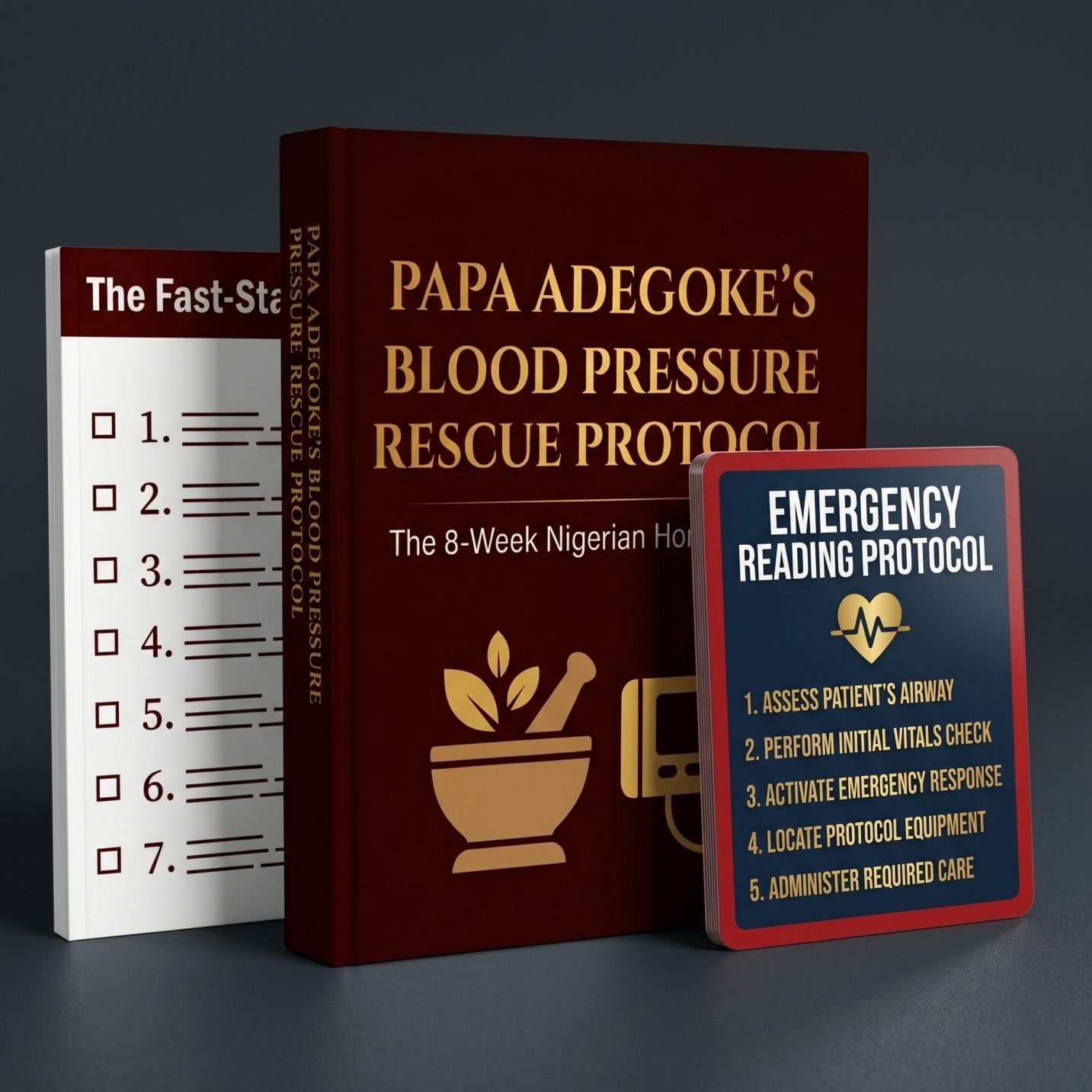
Papa Adegoke's Blood Pressure Rescue Protocol
The 8-Week Nigerian Home System That Helps Men With High Blood Pressure Bring Their Readings Down Naturally Without Giving Up Their Food, Their Work, or Their Culture
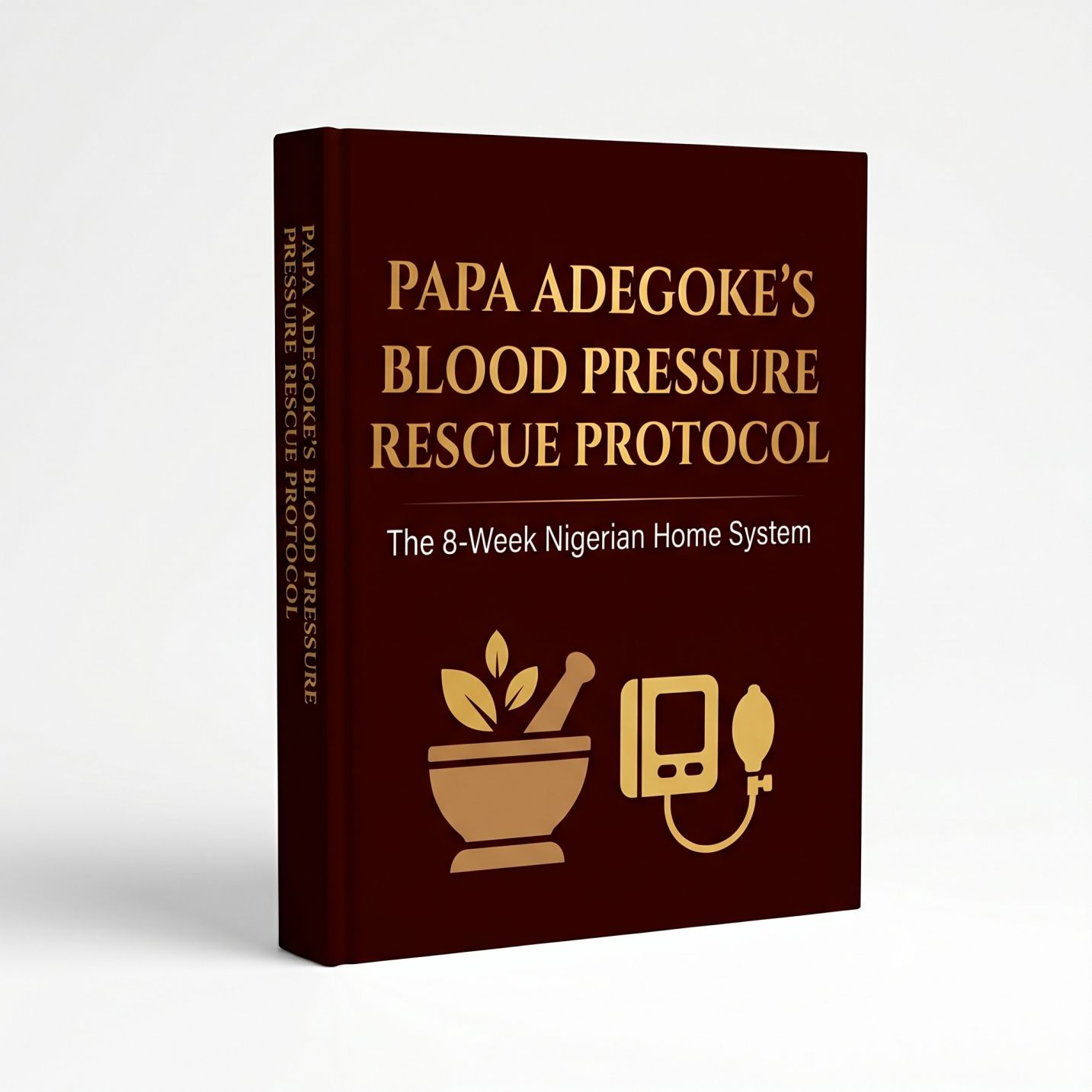
Inside This Guide, You Will Discover:
-
The Blood Pressure Lifestyle AuditA 12-question diagnostic that identifies your dominant hypertension driver across four specific Nigerian lifestyle patterns. Before you change anything, you need to know which of the four drivers is doing the most damage in your particular life. This audit tells you exactly which one to target first so you are not guessing.Pg. 3
-
The Hidden Sodium MapA visual guide to the ten most common Nigerian kitchen ingredients ranked by their true sodium content, including the one item found in almost every pot in Nigeria that is raising your pressure more than your salt shaker ever could. Most Nigerian men have never heard this specific ingredient named as a blood pressure driver. You will know exactly what to reduce and what to replace it with.Pg. 9
-
The Nigerian Blood Pressure Foods ListA printable shopping guide of the eight most effective locally available foods for sustained blood pressure reduction, complete with market names as they are sold in Lagos, Ibadan, Abuja, and Port Harcourt, preparation methods, and weekly portion guidance. These are not imported supplements. They are foods you can buy at any Nigerian market this week.Pg. 16
-
The 7-Minute Morning ResetA step-by-step morning routine that interrupts the cortisol spike most Nigerian business owners and professionals experience within thirty minutes of waking, and which research links directly to elevated morning blood pressure readings. Consistent use of this routine produces measurably lower readings within two to three weeks. It takes seven minutes. It requires no equipment. It will not make you late for anything.Pg. 23
-
The 8-Week Daily TrackerA simple morning reading log paired with a daily habit checklist that lets you watch your own numbers move in the right direction. Nigerian men respond to evidence. When you can see the trend in your own data, over your own weeks, in your own handwriting, the motivation to continue becomes self-generating. This tracker is designed so that the data does the encouraging for you.Pg. 29
-
The Medication Alignment GuideA plain-language explanation of exactly how the natural interventions in this protocol work alongside your existing blood pressure medication. If you are currently on antihypertensives, this section tells you what to expect, how the two approaches complement each other, and specific timing notes so you are never wondering whether what you are doing is something your doctor would approve of.Pg. 34
-
The Permanent Maintenance RhythmThe one-page, seven-habit daily framework that keeps your readings stable indefinitely once the 8 weeks are complete. Each habit takes under five minutes. This is how the 8-week result becomes a permanent result. It is how you make your father's timeline stop feeling like your own.Pg. 39
And the best part? You do not need to overhaul your diet, give up Nigerian food, leave your job, or do anything that does not fit inside the life you already have. This is the same method that worked for me, and has now worked for every man I have shared it with who followed it consistently.
Real Men. Real Results.
When I saw this guide I said make I try am. My reading was 154/98 before I start. End of Week 2, e don come down to 143/91. I have not seen that number since 2019. The Hidden Sodium Map alone is worth five times what I paid. I never know say na that one ingredient dey do this kind damage. Anybody with pressure wahala, this is the real thing.
I have been on medication for three years. My doctor has been telling me my readings are not stable. I followed this protocol for eight weeks and at my last appointment the doctor looked at my log and said whatever I am doing I should continue because the trend is excellent. He said we will discuss adjusting my dosage in December. I did not expect this kind of result. Very practical guide. Very Nigerian. Nothing foreign about it.
The morning routine is what changed things for me. I am a person who wakes up already stressed. I carry my phone to bed and check messages before I even sit up. Papa Adegoke's 7-Minute Reset broke that pattern and my morning readings improved within the second week. My wife has also noticed I sleep better now. Simple protocol. Enormous difference.
I was skeptical. I have bought health things before that did nothing. But my cousin sent me this and said try it before you say anything. My reading on Day 1 was 161/103. That is not a joke. By Week 4 I was consistently below 145. By Week 8 I am at 131/84. My doctor called it remarkable. I called Papa Adegoke a genius. Get this guide. Do the work. The results are real.
My father had stroke at 61. Me self I don start to feel things wey I no like, headache for morning, heart wey dey do anyhow sometimes. I start this protocol with nothing to lose. Six weeks later my morning readings are the best they have been since 2018. The Medication Alignment Guide was particularly important to me because I didn't want to do something that would conflict with my tablets. Very well explained. Recommended 100%.
Just So You Know... Putting This Guide Together in an Easy-To-Read Format Cost Me Over ₦340,000
- 40 hours of one-on-one consultation sessions with Papa Adegoke in Ogbomoso, Oyo State, recorded and documented across eight visits over four months
- Independent nutritional research and cross-referencing of traditional Yoruba food knowledge against clinical hypertension literature
- Market testing of specific Nigerian food interventions across Lagos, Ibadan, and Abuja, including follow-up tracking with twelve participants over eight weeks
- Professional copywriting, editing, and design to ensure the guide is clear, well-structured, and readable on any device
- Production of all tracking tools, audit worksheets, shopping lists, and visual guides in print-ready format
I am not going to charge you ₦340,000... even though that is what it cost to create.
I will not even charge you half that. Not ₦170,000.
Not ₦85,000 either.
The original price for this guide is ₦45,000. Which is a fair price for something that took this long to create and test.
But I am not charging that today.
🔒 Secure Checkout via Nestuge | Card, Bank Transfer, or USSD Accepted
WAIT. I Have a FREE Gift For You...
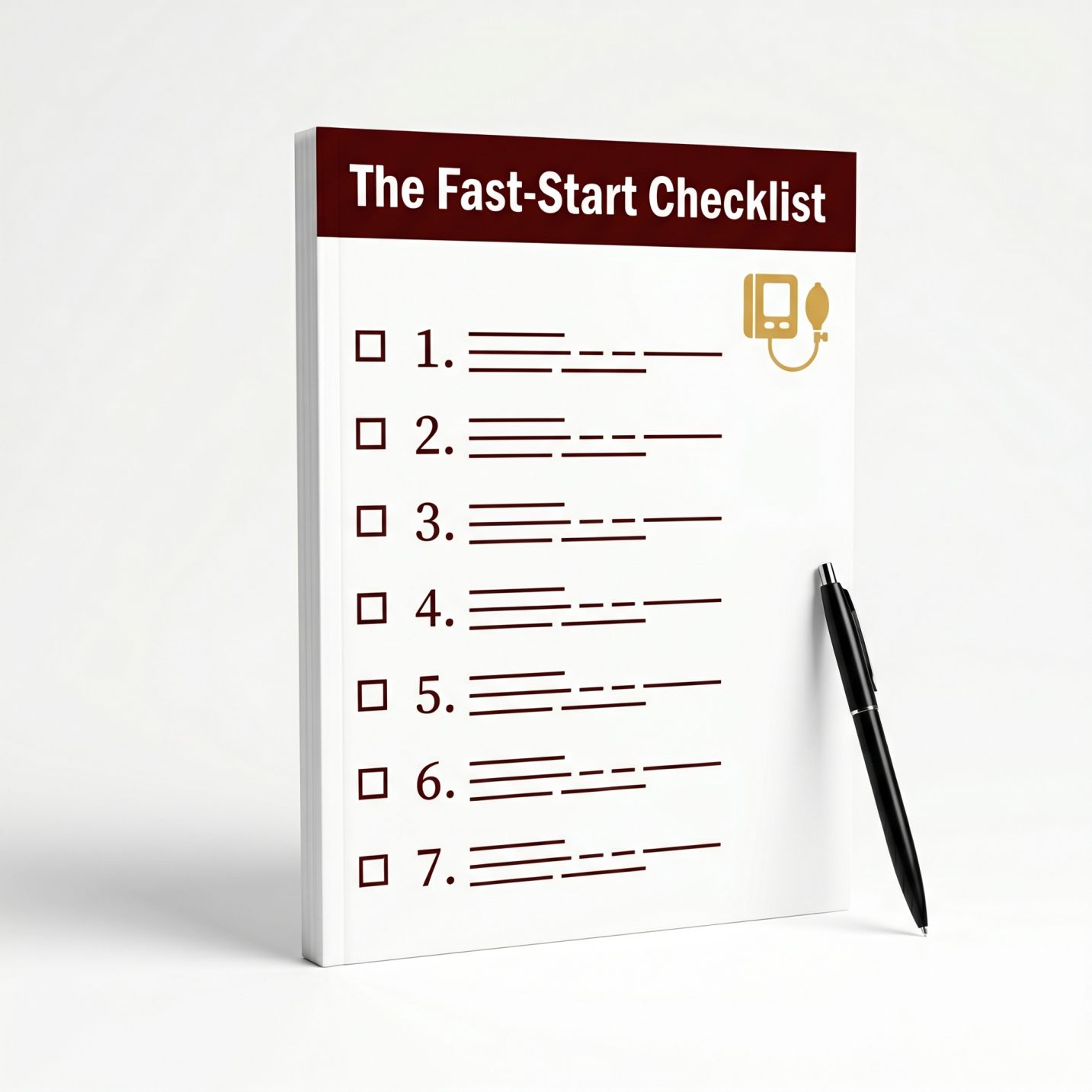
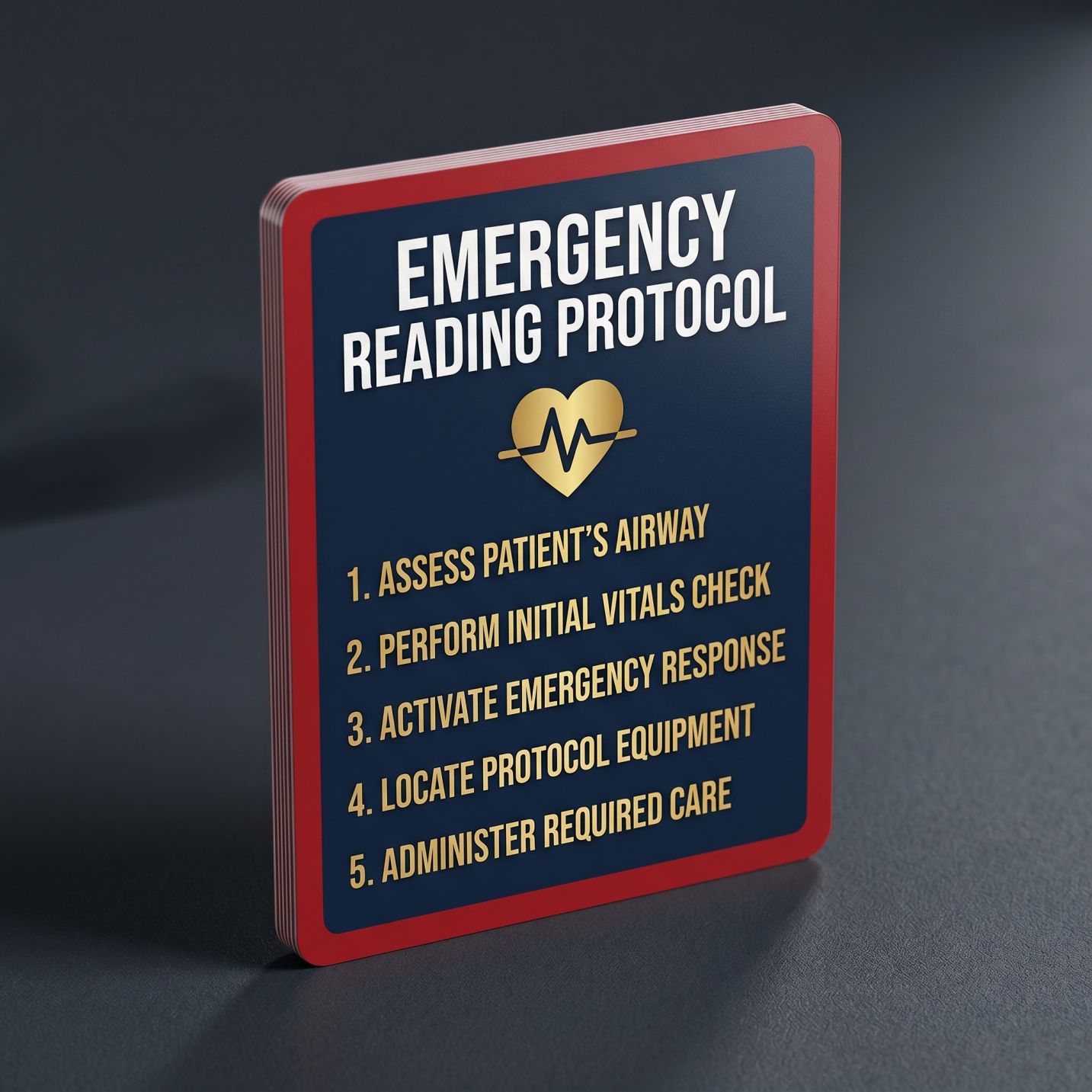
If you are among the first 30 men to order today, you will receive these two bonuses alongside your guide. Today only.
🔒 Secure Checkout | Instant Access | 30-Day Money-Back Guarantee
Men Are Ordering Right Now. Here Is What the Buyers Group Looks Like.
19 men have already ordered today and claimed the bonuses...
That means only 11 spots remain at this price before it returns to ₦45,000.
You are not the only man viewing this page right now. While you are reading this, others are deciding.
✅ My 30-Day No-Questions Guarantee
Still feeling unsure? I completely understand. Which is why I am making you a bold, risk-free promise.
Use Papa Adegoke's Blood Pressure Rescue Protocol for 30 days. Follow the steps. Check your readings morning and evening as the tracker instructs.
If you do not see a real, measurable improvement in your numbers, send one email to publishinsight@gmail.com and every single kobo you paid will be returned to you.
No questions. No forms. No back-and-forth. No argument.
I am confident enough in this protocol that I am willing to carry all the risk myself. If it does not work for you, you pay nothing. That is the deal.
Get Papa Adegoke's Blood Pressure Rescue Protocol. Risk-Free. 30-day full refund guarantee | publishinsight@gmail.comMore Men. More Results.
I have been in the UK for twelve years and my blood pressure has been managed poorly for most of that time. Nigerian food is harder to find here but everything in the Nigerian Foods List is available at the market in Brixton. I follow the protocol with what I can get here. Week 6 my GP said my readings were the best she had seen in her records for me. She asked what I changed. I said I found a guide written specifically for Nigerian men. She said whatever it is, keep doing it.
My father had stroke at 58. I am 53. I have been treating this like a time bomb for years. I followed the complete 8 weeks. The audit at the beginning was very revealing. I scored very high on the potassium gap and the hidden sodium. Both made sense when I thought about how my diet had changed as my income grew. By Week 8 my reading was 129/84. I have not seen 129 in six years. This guide is a serious document. Not a joke thing.
I was unsure if this guide would work for someone eating northern Nigerian food, which is different from the Lagos food it describes. But the Hidden Sodium Map applies everywhere in Nigeria. The foods on the Blood Pressure List are available in Kano. And the 7-Minute Morning Reset has nothing to do with food. It works regardless. My readings have improved by more than fifteen points in five weeks. My wife says I am sleeping properly for the first time in years.
See ehn, I no go lie. When I see the price I almost no buy. I say make I save money. Then my wife talk to me about my father and say she no want me to become that story. I buy am that evening. Four weeks later she the one wey dey remind me of my morning routine every day. The reading wey worry me since 2021 don start to move. My doctor appointment is next month and I am actually looking forward to it for the first time in three years.
I bought this from Houston. I still cook Nigerian food at home and the sodium problem described in this guide is exactly what was happening in my kitchen here. My American cardiologist has been telling me to reduce sodium for years without telling me what was actually carrying the sodium in Nigerian cooking. This guide gave me the specific information my cardiologist never had. Readings improving week by week. Deeply grateful for this resource.
Questions Men Ask Before They Order
No. The protocol is designed to work alongside your existing medication, not against it. The guide includes a dedicated section called the Medication Alignment Guide on Page 34 that explains exactly how the natural interventions in this protocol interact with common antihypertensive medications, including Amlodipine, Lisinopril, and Losartan. It also gives you specific timing notes so you are never doing something that conflicts with your prescription. Most men in the test group were on medication when they started. Several had their dosage reviewed downward by their doctors by Week 8. Do not stop or adjust your medication without speaking to your doctor. The protocol works with it.
No. The four drivers this protocol addresses, hidden sodium, cortisol elevation, the potassium gap, and the magnesium deficit, are active in your body right now regardless of how long you have had hypertension. They are not a condition that worsens with time. They are patterns that continue operating until you interrupt them. Emeka from Onitsha had been diagnosed for over seven years when he started the protocol. His doctor called his Week 8 readings the best since his diagnosis. How long you have had it changes the timeline, not the direction.
Because everything you have tried addressed one driver at a time. Removing the salt shaker targeted sodium, but the real sodium was already inside the cooking. Cutting alcohol removed one driver but left three others running. The morning walks addressed cortisol partially, but if the potassium gap and magnesium deficit were still active, the effect could not sustain itself. This protocol identifies which of the four drivers is dominant in your specific life through the Lifestyle Audit, and then targets all four in a deliberate sequence. Piecemeal approaches fail because hypertension in Nigerian men is rarely caused by one thing. This addresses the system, not the symptom.
You do not give up anything. The protocol works within Nigerian cooking, not against it. The Hidden Sodium Map tells you which specific ingredients to reduce and what to replace them with. The Nigerian Blood Pressure Foods List is built entirely around foods available at any Nigerian market, with local market names, preparation methods, and weekly portion guidance. Nobody in the test group was asked to eat foreign food or follow a Western diet. The point of this protocol is that Western dietary advice fails Nigerian men precisely because it ignores how we actually eat. This was built for the way you cook.
Most men following the protocol notice their first measurable reading change between Day 5 and Day 7. This is why the Fast-Start Checklist bonus exists. It sequences your first seven days in the exact order designed to produce that early visible shift. By the end of Week 3 most men have readings they have not seen in one to three years. By Week 8 the results are stable enough for doctors to begin reviewing medication dosages. Individual results depend on consistency and which drivers are dominant in your particular case. The Lifestyle Audit at the beginning identifies that so you are not guessing.
It was built from scratch for Nigerian men. Papa Adegoke spent forty years observing hypertension patterns specifically in Nigerian patients in a Nigerian teaching hospital. The food interventions are based on what is available in Lagos, Ibadan, Abuja, and Port Harcourt markets. The sodium map covers stock cubes, iru, crayfish, and processed seasonings, not table salt and canned soup. The cortisol section addresses the specific pattern of the Nigerian business owner and senior professional, late eating, poor sleep, sustained work pressure. Yusuf from Kano followed it with northern Nigerian food. Rotimi in London followed it with ingredients from Brixton market. It is built for the way Nigerians actually eat and live.
You pay nothing. The 30-day guarantee is unconditional. Follow the protocol for 30 days, check your readings morning and evening as the tracker instructs, and if you do not see a real measurable improvement in your numbers, send one email to publishinsight@gmail.com and every kobo you paid is returned. No forms, no questions, no back-and-forth. The risk is entirely on this side of the transaction, not yours.
This Is Where You Make a Decision.
There are two options in front of you right now. Only one of them leads somewhere different from where you are today.
Take action. Get Papa Adegoke's Blood Pressure Rescue Protocol. Follow the 8-week system. Watch your readings move in a direction they have not moved in years. Sleep through the night. Stop the 3am waking. Let Ronke pick up the monitor at the end of Week 4 and look at a number that makes her say the thing you have been waiting to hear. Show your doctor a reading log he calls remarkable. Make your father's timeline stop feeling like a prophecy about your own ending.
Close this page. Go back to the medication you skip on good days. Go back to the salt shaker you removed that made no difference. Go back to the estate walk that lasted eight days. Go back to the midnight Googling that frightens you into closing the tab. Keep carrying that number in your chest like a stone. Keep not telling her the full picture. Wait and see what the body decides for you.
The clock is ticking. You have known it was ticking for a while now.
This is the first time something practical has been in front of you.
🔒 Secure Checkout | Card, Bank Transfer, or USSD | Questions? publishinsight@gmail.com